How I Built the First Work Heights Out of a Brooklyn Junkyard
Part one of three on building a coworking network in Brooklyn, neighborhood by neighborhood.
In 2014, I quit my job. I had been working as a men's fashion designer at Ralph Lauren. I had worked in the industry for 8 years and found myself hitting a corporate wall. After looking at other jobs that felt like stale hierarchies, I decided I needed to break free and so I left to work for myself. What nobody tells you about working for yourself is how quiet it gets. I was consulting for smaller fashion start-ups and I was alone in my apartment all day. I missed having people around me. Not meetings, not management, just the ordinary hum of other people doing their own work in the same room. That feeling, more than any business plan, is the real reason Work Heights exists.
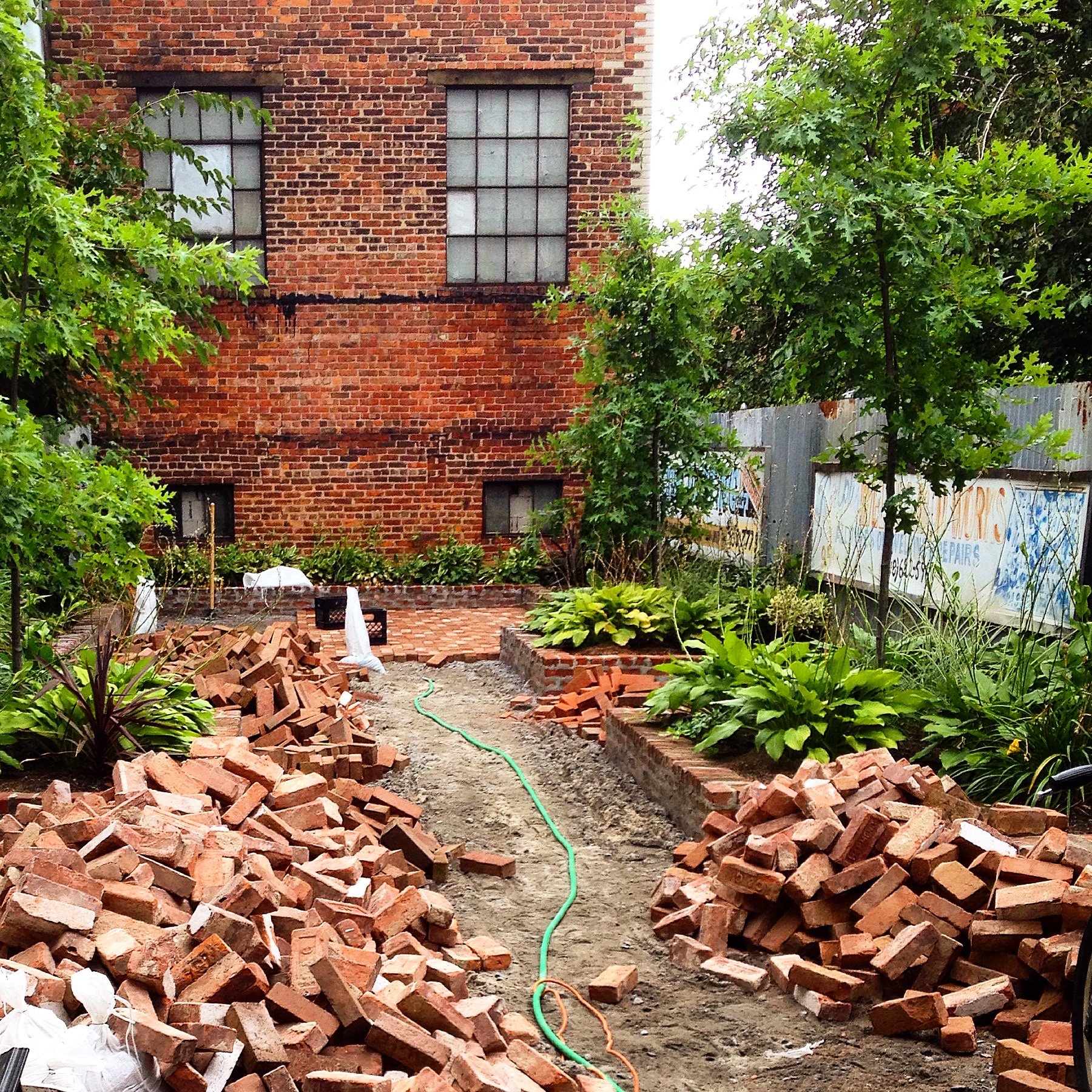
I had spent all of my nights and weekends for the previous 4 years, gut renovating a small building I bought in 2010 at 1037 Dean Street. After the crash of 2008, I had found myself in a rare place, of having just enough money in the bank and just enough credibility at my job, to be approved for an federally backed loan. This was a time when banks and the government were still solidifying new rules around lending. What that meant is I was able to sneak under the wire and get a mortgage on a dilapidated brick building in Crown Heights. It was an old auto parts store with a junkyard behind it. With help from my friends and family, I pulled 140 cubic yards of trash out of that backyard. Once I renovated the upstairs into an apartment for me, I had an empty commercial space downstairs. Before dealing with that, I hand-placed the brick hardscaping over the now cleared junkyard myself, using reclaimed brick I brought in from Long Island, and turned the lot into a garden.
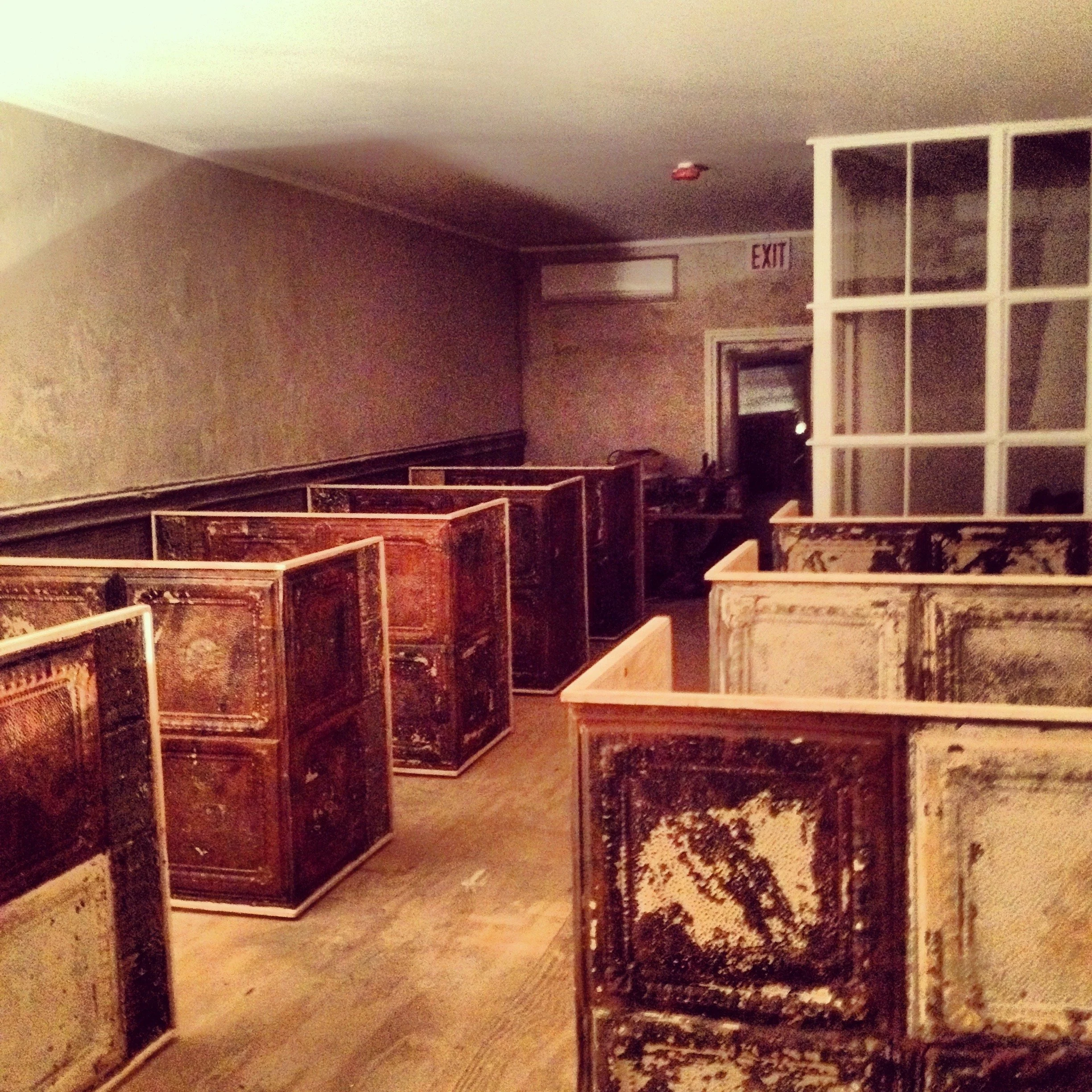
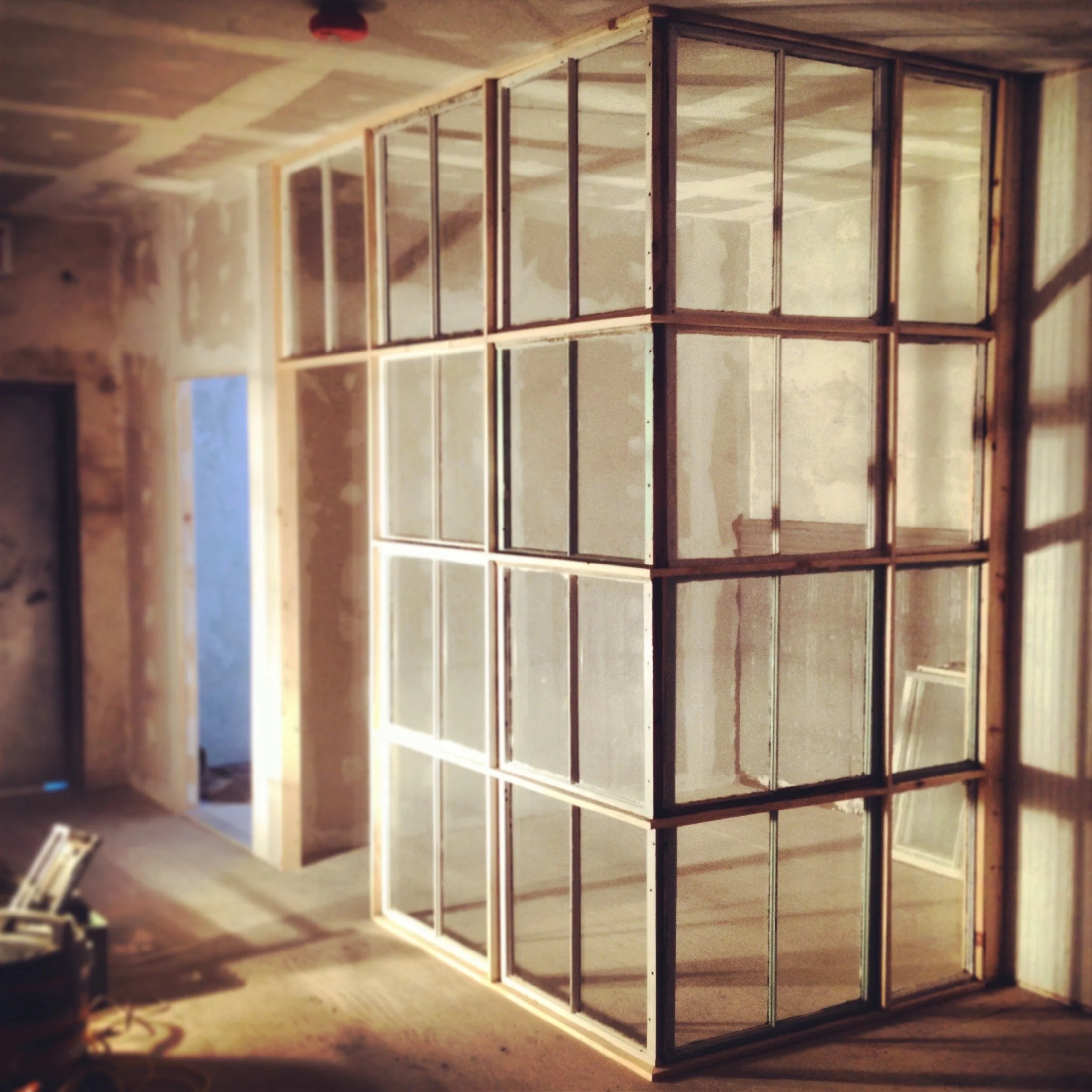
Once I was free from my corporate gig, I began building out the storefront to attract like-minded coworkers. I built a conference room with farmhouse windows I hauled down from Maine. The cubicles were made from the building's own tin ceiling, which I'd saved when I gutted the commercial space. I built eight desks. That was the whole plan: eight desks, a garden, and a few coworkers so I wouldn't have to work alone.
What the coworking world looked like in 2014
It's worth remembering what was happening in the industry at that exact moment, because it makes clear how differently I was thinking.
2014 was the year coworking went from a curiosity to a gold rush. Globally, the number of coworking spaces jumped to roughly 5,780 venues serving about 295,000 members, nearly double the prior year. WeWork, founded in 2010 a few miles away in Manhattan, raised $150 million in early 2014 in a round that valued it at $1.5 billion, then closed a Series D that December valuing it at $5 billion. By the end of that year it had become the fastest-growing lessee of new office space in New York City and had opened its first international outpost in London. The money flooding in was enormous, and the strategy behind it was singular: get as big as possible, as fast as possible, in the densest commercial districts of the biggest cities.
I was doing the opposite of all of it. While the industry's flagship was raising hundreds of millions to plant towers in Manhattan's central business districts, I was pulling garbage out of a Crown Heights backyard by hand and saving a tin ceiling because it would make nice cubicle walls. I had eight desks and no investors. I wasn't trying to scale. I was trying to not be lonely.
The thing I didn't expect
After about a year of being open, we had a waiting list of 125 people.
A hundred and twenty-five people wanted a desk in a small storefront in Crown Heights. That number told me something I hadn't fully understood when I started: the loneliness I'd felt wasn't mine alone. There was a whole population of freelancers, founders, and remote workers across Brooklyn who didn't want to commute into Manhattan and didn't want to work from their kitchen tables either. They wanted to work in their own neighborhood, near other people doing the same.
That waiting list is the entire origin of everything that came after. It was the moment a personal solution turned into a thesis about how people in Brooklyn actually want to work. In the next part, I'll get into what made working in a Brooklyn neighborhood so fundamentally different from working in a Manhattan tower, and why I became obsessed with putting offices in storefronts at street level instead of hiding them on the third floor.
Work Heights operates a network of neighborhood coworking spaces across Brooklyn, including Crown Heights, Bed-Stuy, Williamsburg, Boerum Hill, Prospect Heights, and Prospect Lefferts Gardens.